Jim Dierker: A Mizzou Rugby Life That Started with a Chance Encounter
For Jim Dierker, Mizzou Rugby was never simply a college sport. It became the beginning of a rugby journey that would span more than five decades, take him around the world, and ultimately lead him to the highest level of American rugby. Remarkably, it all began with a rainy afternoon in Columbia and a chance encounter in the Student Union.
Dierker played for Mizzou from 1971 through 1973, during an era when collegiate rugby looked considerably different than it does today. There were no national collegiate championships and organized sevens had not yet arrived. The Big 8 Rugby Championship would not begin until 1974—a tournament Mizzou won in its inaugural year. Instead, the Tigers measured themselves against whoever was willing to line up across from them. They battled college clubs such as Palmer College, Kansas, Iowa and Central Methodist, while also taking on established men's clubs including the St. Louis Ramblers, St. Louis Bombers, St. Louis Falcons, Kansas City Blues, Kansas City RFC and Des Moines. According to Dierker, those Mizzou teams could hold their own against almost anyone.
At 6-foot-4 and 220 pounds, Dierker brought plenty of size and football experience to the pitch. He had previously played football at Missouri and naturally found a home at lock, although he also spent time at flanker and, as he jokingly points out, even wing. The Tigers' greatest collegiate nemesis during his years was Central Methodist, whose physical style made every meeting memorable. The 1973 season was particularly successful, with Mizzou winning every college match except its championship encounter against Central Methodist at the Rolla Ruggerfest. The Tigers were also regular competitors at the Kansas City Heart of America and St. Louis Easter Ruggerfest tournaments, reaching the semifinals several times, and won the Hermann Oktoberfest Tournament during Dierker's era.
One of Dierker's strongest competitive memories came at the 1972 Kansas City Heart of America Rugby Tournament, where Mizzou advanced to the semifinals in a massive 48-team field. That Tiger squad, coached by Sterling Hayden, featured an extraordinary collection of athletes, including several current Mizzou football players who secretly suited up for the rugby club despite an Athletic Department prohibition against football players participating in rugby. Playing under false names were All-Big 8 players John "Jet" Henley and Mark Kuhlman, along with John Cherry and Jim Sharp. Mizzou eventually lost a close semifinal match to the Denver Barbarians, who went on to win the tournament. Dierker also remembers the brutal matches against Central Methodist and the satisfaction of Mizzou defeating the Kansas City Blues, one of the country's leading Division I clubs at the time.
Dierker's path to all of this began during one of the more difficult moments of his college years. He had been part of the Mizzou football program in 1969 and 1970 but left following disagreements with head coach Dan Devine and defensive coach Al Onofrio. Walking back to his dorm afterward, deeply disappointed about leaving football, Dierker happened upon something he had never seen before. On a dairy field in front of Hatch Hall, in a driving rainstorm, a group of men were playing rugby. He stopped and watched. The game looked rough, unusual and intriguing, but he continued on his way without realizing that he had just gotten his first glimpse of a sport that would become a lifelong passion.
About a week later, Dierker was sitting in the Student Union drinking coffee and reading The Maneater when a stranger casually sat down at his table. His name was Tom Reel, one of the captains of the Mizzou Rugby Club. Reel recognized him from the football team and asked whether he still played. When Dierker explained that he had just left the program, Reel immediately asked, "Do you want to play rugby?" Dierker thought back to the game he had seen in the rain and asked, "You mean the game where guys were playing last Saturday in the rain?" Reel replied, "Yeah, that's us. We were playing Rolla and kicked their ass!" Dierker protested that he didn't know how to play rugby. Reel simply told him, "That's okay, you'll learn quick."
Tom Reel was apparently not a man who waited long for a decision. He told Dierker that practice was the next afternoon at 4 p.m. at Reactor Field, instructed him to wear sweats and bring his football cleats, and asked where he lived so he could pick him up. Dierker hadn't actually agreed to play yet, but the recruiting process was apparently complete. The next day, Reel arrived in his 1967 red Ford Mustang, nicknamed "The Night Train," and drove him to his first rugby training session on a cold January afternoon. More than 50 years later, Dierker was still playing the game.
Several coaches helped turn Dierker and his teammates into rugby players. Gordon Doak, who coached in 1971-72 and whom Dierker remembers as one of the club's founders, was himself a former Mizzou football player who transitioned to rugby. Doak taught the young Tigers how to combine proper rugby technique with the physicality many of them had developed playing football. A South African professor named Peter also helped teach the developing players. Dr. Sterling Hayden followed in 1972-73. A Ph.D. graduate student and player-coach, Hayden also played for the St. Louis Bombers on Sundays and became quite effective at convincing Tigers to play for Mizzou on Saturday and the Bombers the following day. A towering No. 8, Hayden taught both forwards and backs to be fit, physical and intelligent, to play at 100 percent for the entire match and, as Dierker remembers it, to ignore the pain. Lou Williams took over in the fall of 1973 after Hayden departed. An MBA student who had played both football and rugby at Stanford, Williams stood 6-foot-8 and weighed roughly 250 pounds while playing wing and coaching the Tigers.
Of course, some of Dierker's best Mizzou Rugby memories had very little to do with wins and losses. In the fall of 1973, the Tigers arranged a two-match rugby tour of Iowa. The plan was to play Iowa State in Ames on Saturday, travel to Des Moines for another match Sunday and then return to Columbia. Team captain Rick Wetzel was responsible for securing transportation. Seventeen players gathered around noon Friday in the parking lot near the Electrical Engineering Building and waited for the vans. As the afternoon wore on, there was still no sign of Wetzel. Finally, around 2 p.m., he appeared—but instead of driving a passenger van, he pulled up in an empty Hostess Twinkies bread truck. The rental company didn't have any vans, he explained, so the bread truck would have to do.
The rear doors opened and the entire Mizzou Rugby touring party climbed inside with their kit, boots, music, cups and a keg. Dierker still describes it as one of the most hilarious road trips of his life. Somehow, the Twinkie truck reached Ames in time to play Iowa State. During the match, Dierker split open his right eyebrow and was replaced by Steve "The Geek" Gardner. Mizzou lost a close game, although Dierker admits that an all-night trip in the back of a bread truck might not have represented ideal match preparation. The Tigers did, however, "win the party" that night. By Sunday morning, snow was falling heavily enough that the Des Moines match was abandoned. Wetzel then drove the bread truck back toward Columbia while the players froze in the unheated cargo compartment. More than half a century later, Dierker says he still laughs every time he sees a bread truck.
What began at Reactor Field eventually carried Dierker far beyond Columbia. After Mizzou, he played for the St. Louis Bombers for 10 years and was eventually inducted into the club's Hall of Fame. Following graduation in 1974, he traveled to Brisbane, Australia, where he played a season for the Kenmore Bears. His performances eventually earned selection to the Missouri Rugby Union XV and Western Rugby Union XV. Then, in 1976, Dierker reached a milestone few American rugby players of his generation could claim: he was selected to the first United States National Rugby Team, the Eagles.
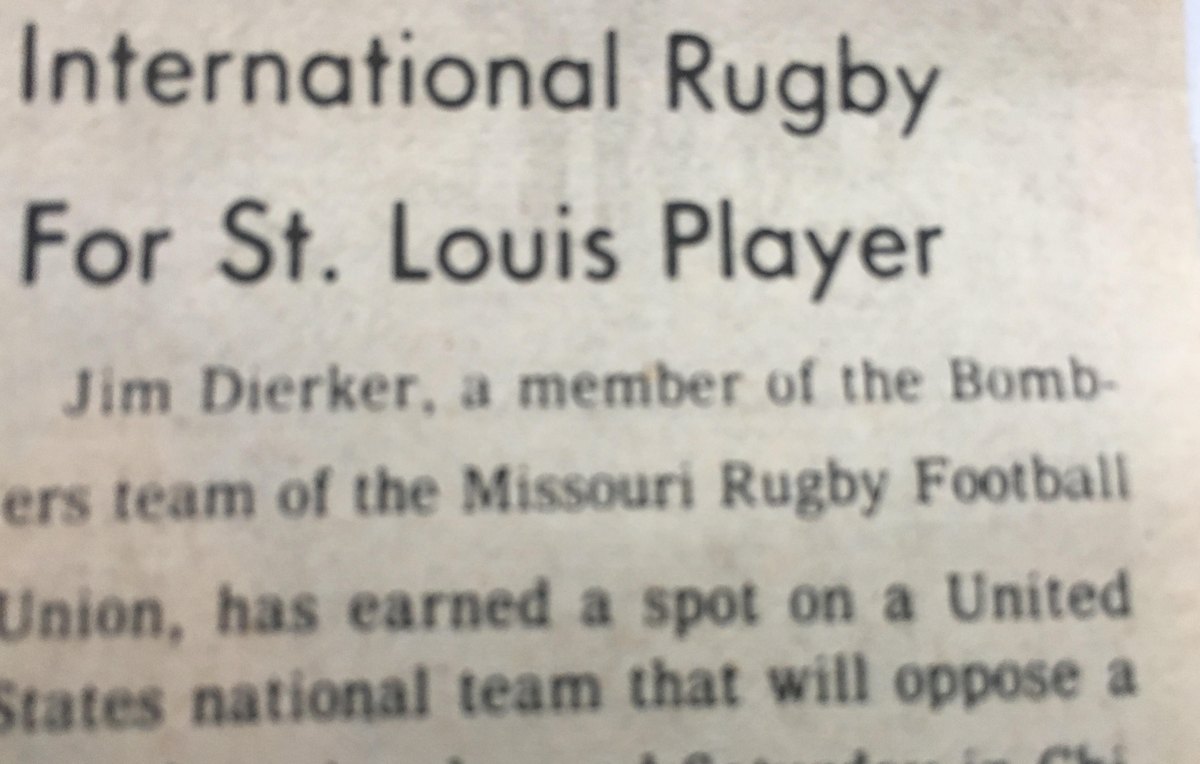
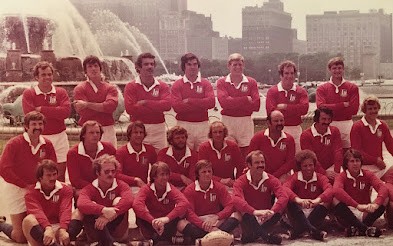
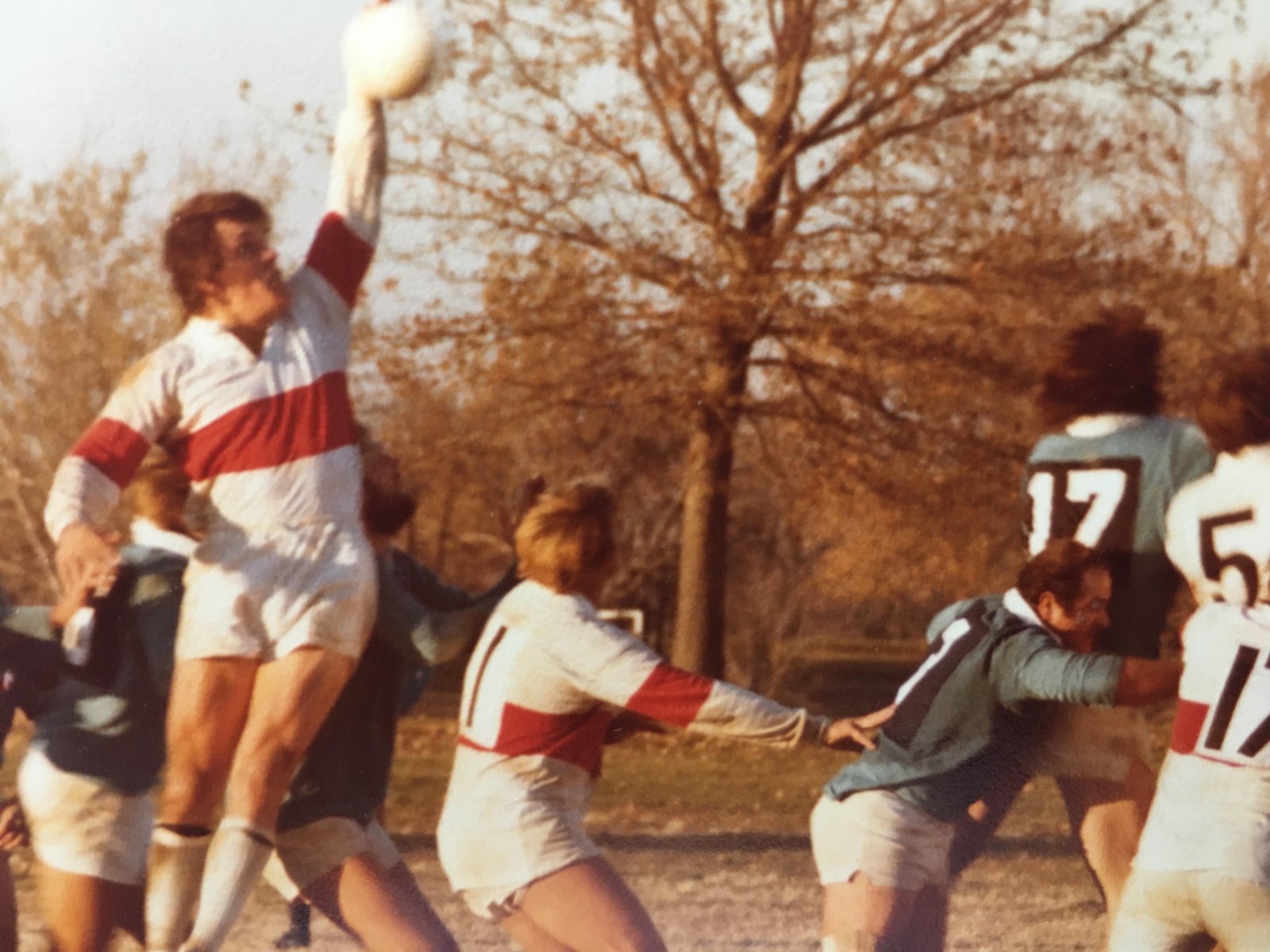
His rugby journey continued around the world. In 1981, Dierker played Premier Division I rugby in New Zealand for Wellington Athletic. From 1981 through 1995, he played with OMBAC in San Diego, earning selection to the San Diego County XV, Southern California Griffins XV and Pacific Union Grizzlies XV. He continued playing Old Boys rugby through the 1990s and well into the 21st century. In 1994, he represented the United States with Team America at the World Masters Rugby Championships in Bermuda, and in 2019 he toured Japan with the Bald Eagles. Over the course of his rugby life, Dierker played throughout the United States and in Great Britain, South Africa, Ireland, Canada, Japan, Bermuda, Australia and New Zealand. In 2025, at the age of 74, he took the field at the Aspen Ruggerfest for what became his final match.
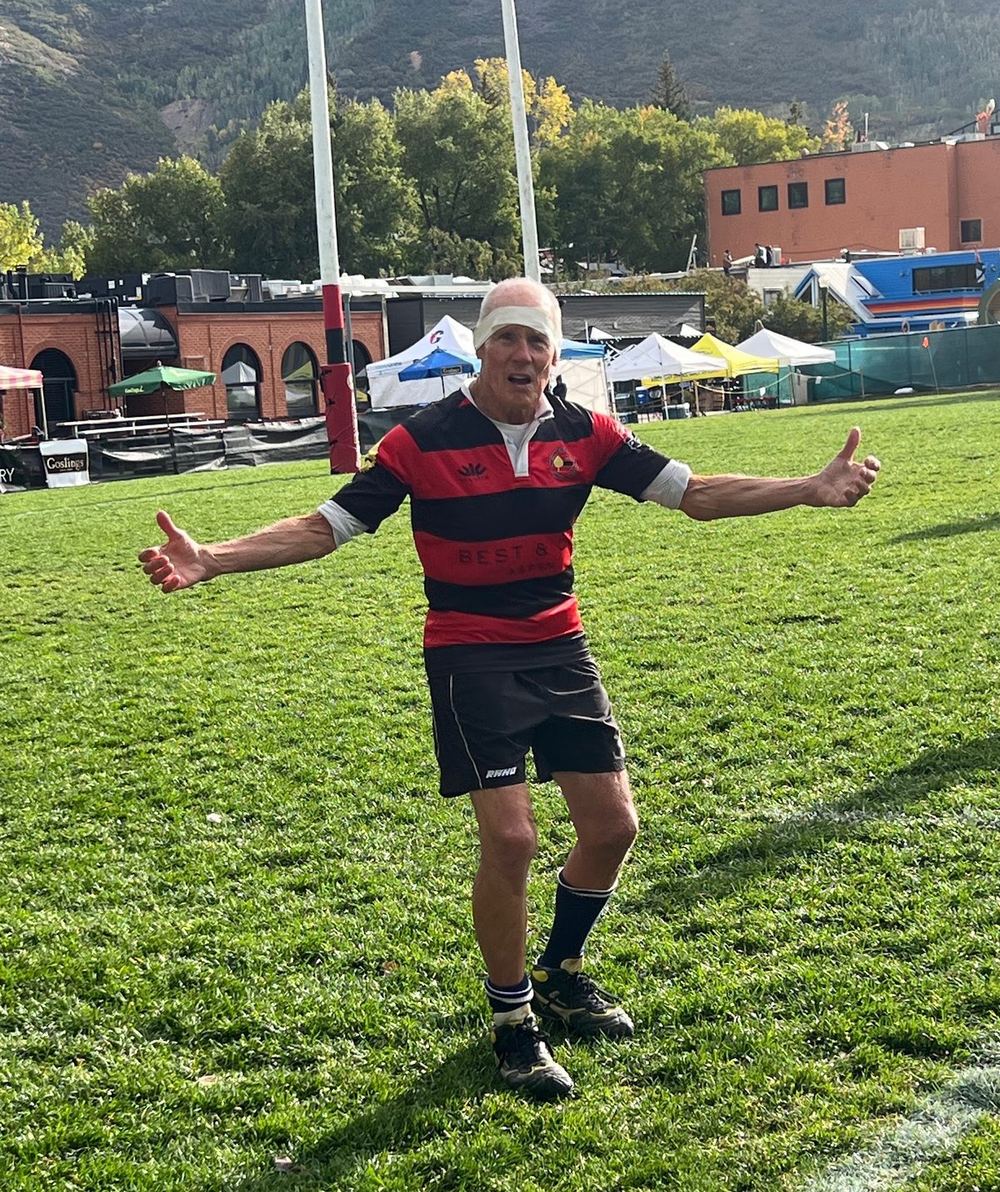
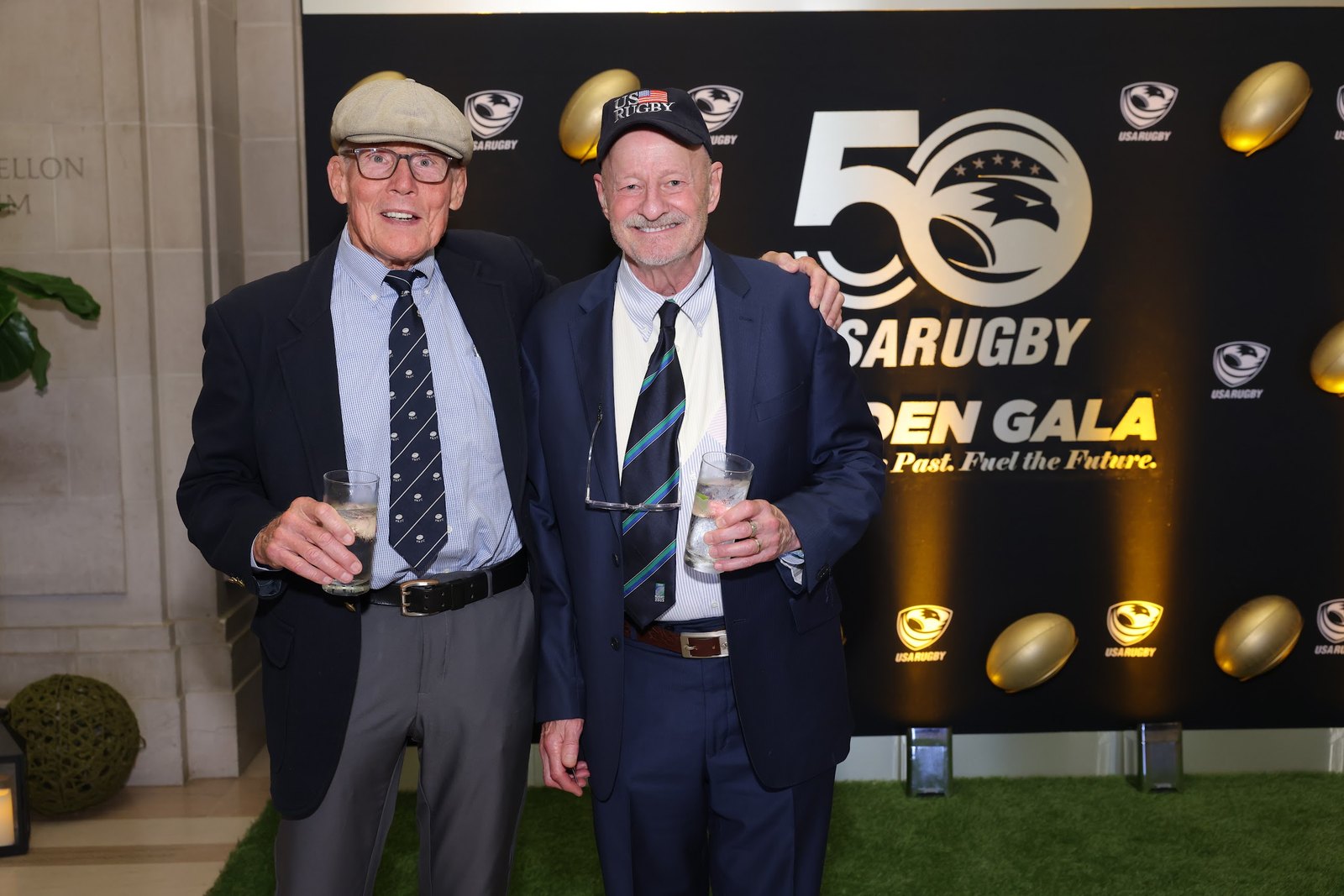
Fifty years after that first practice at Reactor Field, Dierker was introduced at USA Rugby's 50th anniversary celebration in Washington, D.C., as a member of the original national side. To date he remains the only University of Missouri player to have reached the United States national team.
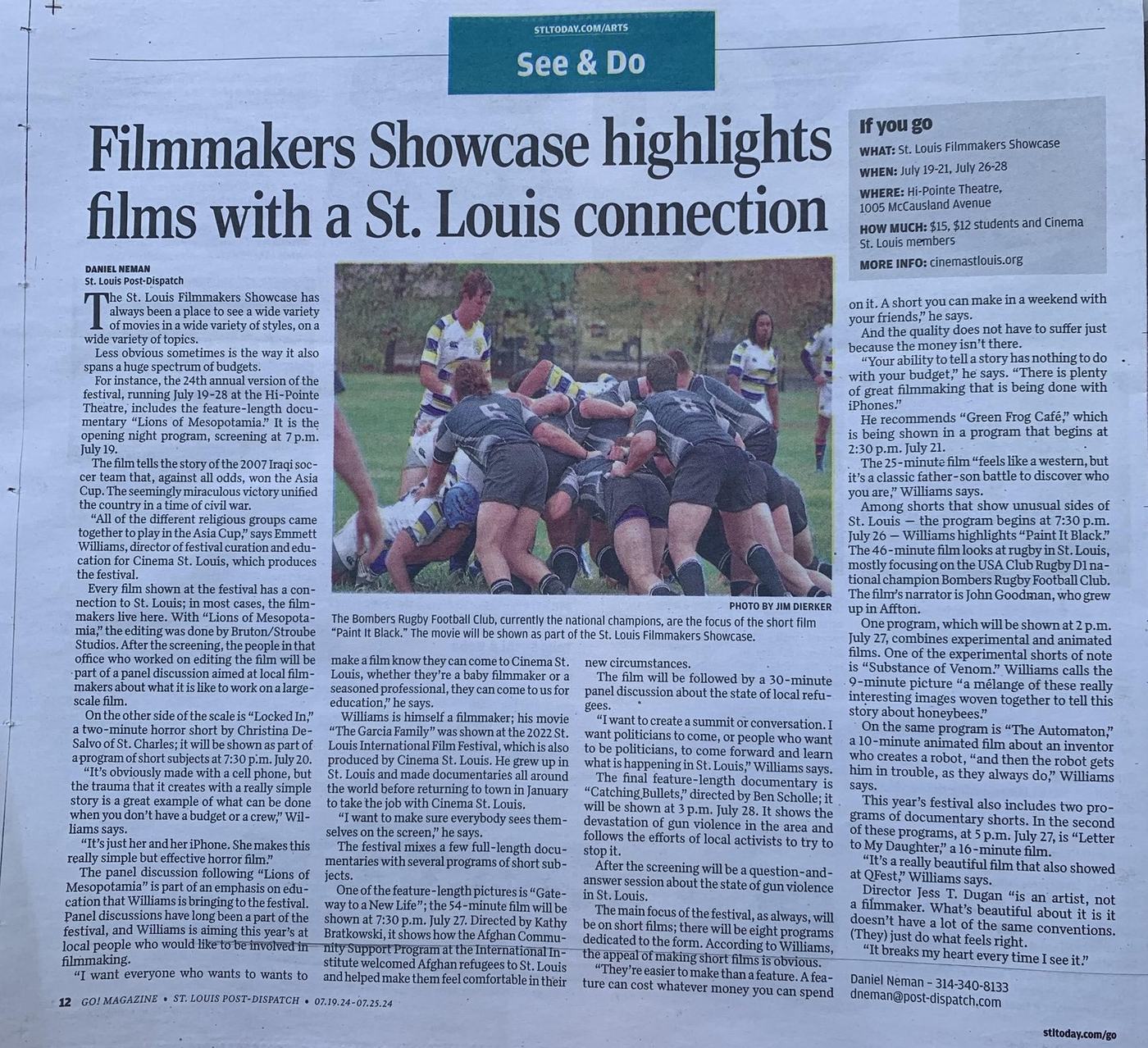
His working life ran alongside the rugby. He was a St. Louis city probation officer in 1975, then a writer and producer at The Seven-Up Company, where in 1977 he worked on the company's sponsorship of American sevens rugby. From 1981 until 2016 he was a director of marketing for Anheuser-Busch in San Diego — a position he used, year after year, to put a sponsor behind OMBAC and behind San Diego rugby as a whole. Since 2016 he has worked as a freelance documentary producer, almost entirely on rugby. When the St. Louis Post-Dispatch previewed the 2024 St. Louis Filmmakers Showcase and its 46-minute film on St. Louis rugby, narrated by Affton-raised John Goodman, the photograph running alongside the story was Dierker's.
He also kept giving the game back. He was an assistant coach with OMBAC's third side in 2005 and 2006 and with the boys' program at Patrick Henry High School from 2015 to 2019, and he has sponsored OMBAC's youth Wallabies. He is a lifetime member and contributor to the St. Louis Bombers, an active member of the OMBAC Legends, an annual donor to USA Rugby and a member of the Eagle Alumni Association, and a supporter of the U.S. Rugby Foundation and the Black Sheep Foundation. And at 68, having spent a career writing for a living, he went and got the degree: a master's in rhetorical writing from San Diego State in 2019. He then taught writing part-time at San Diego State and, from 2022 to 2025, tutored student athletes at Grossmont College.
For all the matches, championships, selections and international tours, Dierker's memories of Mizzou Rugby ultimately return to the people with whom he shared the game. Over the years he has lost several Tiger teammates, coaches and rugby brothers. John "Jet" Henley was an All-Big 8 wide receiver, Mizzou rugby winger and one of Dierker's best friends. Mark Kuhlman was an All-Big 8 defensive tackle who became a formidable lock forward. Jon Brandt was a Tiger and St. Louis Bomber winger as well as Dierker's fellow journalism student. Dr. Sterling Hayden became far more than his Mizzou coach; he was a mentor, fellow St. Louis Bomber and eventually a Hall of Fame teammate. John Kyle, another Hall of Fame Bomber, became an honorary Tiger rugger.
And then there was Tom Reel. Reel played No. 8 and lock for Mizzou and later played for Clayton RFC and the Ramblers. He introduced Dierker not only to rugby but also, as Dierker fondly remembers, to the Beach Boys and surfing. Most importantly, he was the man who happened to recognize a disappointed former football player sitting in the Student Union more than five decades ago. One simple question—"Do you want to play rugby?"—changed the direction of Jim Dierker's life.
From Mizzou Rugby to the St. Louis Bombers Hall of Fame, from Australia and New Zealand to representative rugby throughout the United States, from selection to the first USA Eagles team in 1976 to taking the field at Aspen Ruggerfest at age 74, Dierker's remarkable rugby life can be traced back to Columbia, Missouri—a rainy afternoon, Reactor Field, a red Mustang called The Night Train, and a Mizzou rugger named Tom Reel who saw a future teammate sitting in the Student Union.
After more than five decades in the game, Dierker sums up that chance encounter better than anyone could:
"Thank God Tom Reel saw me in the Student Union so many decades ago."